Want to create hundreds or thousands of pages that bring you traffic without manually writing each one? Here’s what you need to know right now:
Quick Start Steps
- Identify page templates that work (like city pages or product comparisons)
- Build a database with your content variations
- Create one master template
- Use automation to generate pages from your data
- Make sure each page adds real value for users
These five steps form the foundation of Programmatic SEO. Get these right, and you can scale your website traffic faster than manual content creation ever could.
What Is Programmatic SEO and Why It Matters

Programmatic SEO means creating many similar pages automatically using templates and databases. Instead of writing 1,000 city specific landing pages by hand, you create one template and let automation fill in the details for each city.
Think of it like mail merge. You write one letter template, connect it to a database of names and addresses, and automatically create personalized letters for everyone. Programmatic SEO works the same way but for web pages.
This approach helps businesses scale faster than competitors still writing everything manually. Whether you’re building your strategy alone or working with digital marketing experts, understanding Programmatic SEO fundamentals gives you a powerful growth tool.
Who Should Use Programmatic SEO
Programmatic SEO works best for certain types of websites:
Perfect for
- Real estate sites (properties in different cities)
- Job boards (jobs in different locations)
- E-commerce stores (product variations)
- Travel websites (hotels, flights, destinations)
- Review sites (comparing products or services)
- Local business directories
- Educational platforms (courses, tutorials)
Not ideal for
- Blogs focused on unique insights
- Personal brands
- Sites requiring deep expertise per page
- Content needing extensive research
If your business has repeatable patterns where only specific details change, Programmatic SEO can transform your growth.
The Right Way vs The Wrong Way

Before diving into how to details, understand this critical distinction:
Wrong way (spam)
- Creating thin, useless pages just for traffic
- Copying competitor content
- Using auto generated nonsense
- Providing zero value to visitors
- Hoping Google won’t notice
Right way (value driven)
- Each page genuinely helps users
- Unique data or insights on every page
- Solves real problems
- Provides better experience than manual alternatives
- Follows Google’s guidelines
Google’s getting smarter every day. The only sustainable Programmatic SEO approach focuses on user value, not tricks.
Building Your Foundation Data Collection

Programmatic SEO starts with good data. Your pages are only as valuable as the information powering them.
Where to Get Data
Public databases
- Government data (census, business registries)
- Open source datasets
- Public APIs
- Wikipedia data
- Research publications
Your own data
- Product catalogs
- Customer information
- Service areas
- Pricing information
- Inventory details
Third party data
- Licensed databases
- Data providers
- Industry reports
- Market research
Organizing Your Data
Store your data in spreadsheets or databases with clear structure. For example, if creating city landing pages:
Columns might include
- City name
- State/Province
- Population
- Average temperature
- Top attractions
- Local statistics
- Unique facts
The more quality data you collect, the better your Programmatic SEO pages will be.
Creating Your Template

A good template balances automation with uniqueness. Here’s how to build one:
Essential Template Elements
Unique title for each page
Instead of: “Our Services” Use: “[Service] in [City] – [Year]”
Custom H1 heading
Include location or product variation: “Best [Product] for [Use Case]”
Dynamic opening paragraph
Write one paragraph with variables: “Looking for [service] in [city]? We’ve helped [number] customers in [city] with [service] since [year].”
Structured information
Use your database to populate: prices, features, locations, reviews, statistics
Unique details section
This is crucial. Include data specific to each variation that genuinely helps users.
Call to action
Customized to the page variation
Template Best Practices
Keep it natural
If someone reads three variations, they shouldn’t notice they’re templates
Add randomization
Vary sentence structures where possible
Include real data
Every page needs unique information worth reading
Make it helpful
Would you find this page useful? If not, improve the template
Successful Programmatic SEO requires templates that create genuinely valuable pages, not just keyword-stuffed shells.
Technical Implementation Methods

You have several options for implementing Programmatic SEO:
1. WordPress + Custom Code
How it works
- Store data in custom database tables
- Create page template in PHP
- Use WordPress functions to generate pages
Pros: Familiar platform, lots of plugins available
Cons: Can slow down with thousands of pages
2. Static Site Generators
How it works
- Use tools like Next.js, Gatsby, or Hugo
- Build pages at compile time
- Deploy as static HTML
Pros: Extremely fast, secure, scalable
Cons: Requires coding knowledge
3. Custom Built Solutions
How it works
- Build from scratch using your preferred language
- Complete control over everything
Pros: Total flexibility
Cons: Most time-intensive, requires development skills
4. No-Code Tools
How it works:
- Use platforms designed for Programmatic SEO
- Connect data sources
- Design templates visually
Pros: No coding needed
Cons: Less flexibility, ongoing costs
Choose based on your technical skills, budget, and scale requirements.
URL Structure Strategy
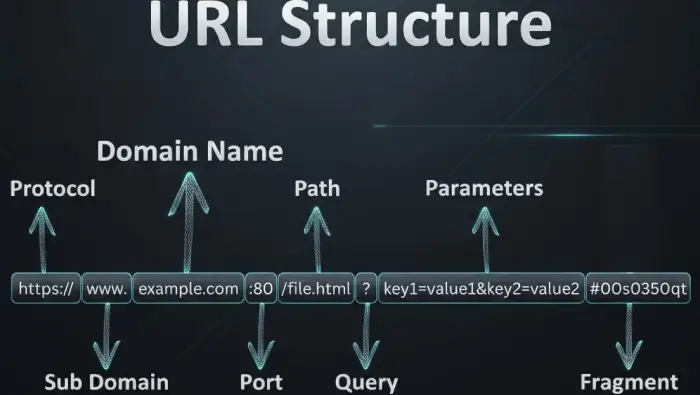
Your URL structure significantly impacts Programmatic SEO success.
Good URL structures
- yoursite.com/[city]/[service]
- yoursite.com/[product]/vs/[competitor-product]
- yoursite.com/[category]/[location]
Bad URL structures
- yoursite.com/page?id=12345
- yoursite.com/generated-page-547
- yoursite.com/temp/auto/location-5
Best practices
- Keep URLs short and readable
- Include primary keyword
- Use hyphens, not underscores
- Maintain logical hierarchy
- Make them predictable
Clean URL structure helps both users and search engines understand your Programmatic SEO pages.
Content Quality Controls

Automation doesn’t mean sacrificing quality. Build in these controls:
Minimum Content Requirements
Set standards every page must meet:
- Minimum word count (suggest 300-500 words)
- Required unique data points
- Minimum number of internal links
- Quality score threshold
Manual Review Process
You can’t review thousands of pages individually, but you can:
- Review template carefully
- Check random samples regularly
- Monitor user engagement metrics
- Read comments and feedback
Quality Indicators to Track
High quality signals
- Users stay on page longer
- Low bounce rates
- Social shares
- Natural backlinks
- Comments or questions
Low quality signals
- Immediate bounces
- No engagement
- Zero backlinks
- User complaints
Monitoring these signals helps you improve your Programmatic SEO implementation over time.
Internal Linking Strategy
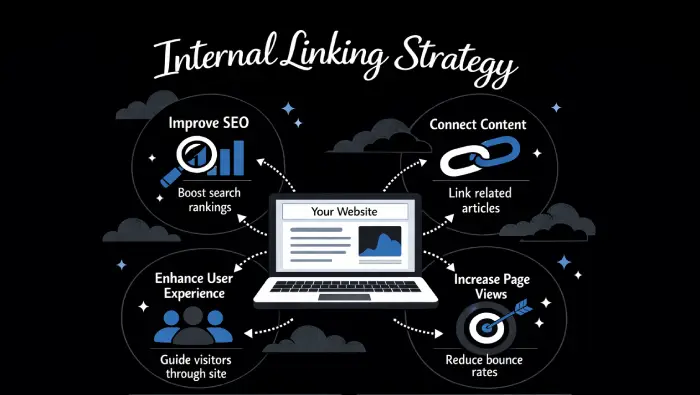
Internal links are crucial for Programmatic SEO success.
Automatic Internal Linking
Build linking into your template:
- Link to parent category pages
- Link to related location pages
- Link to comparison pages
- Link to relevant blog posts
Example for city pages
- Link to state/country page
- Link to nearby cities
- Link to related services in same city
- Link to relevant resources
Hub and Spoke Model
Create main hub pages manually with great content, then link all programmatic pages to relevant hubs. This passes authority and helps Google understand relationships.
Avoiding Over Linking
Don’t link every page to every other page. Focus on:
- Relevant relationships
- Natural user paths
- Logical hierarchies
Good internal linking amplifies Programmatic SEO effectiveness significantly.
Handling Duplicate Content Concerns
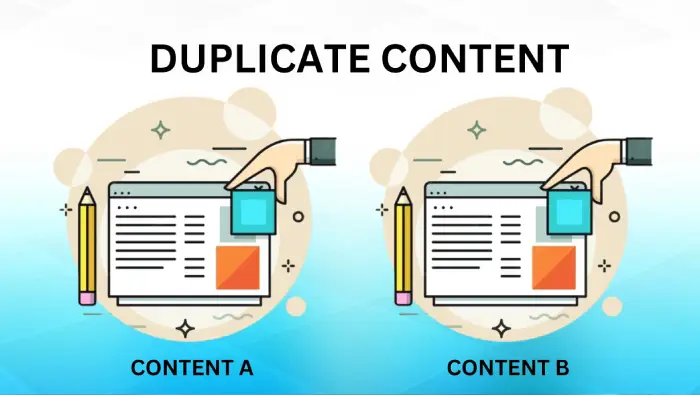
Google penalizes duplicate content, so address this carefully in Programmatic SEO.
Making Each Page Unique
Required unique elements
- Different title and meta description
- Unique opening paragraph
- Specific data for that variation
- Location or product specific details
- Different examples or case studies
Partial uniqueness
- Some repeated sections are okay
- Shared resources or FAQs acceptable
- Template structure similarity is fine
Canonicalization Strategy
Sometimes you need similar pages. Use canonical tags properly:
- Point very similar pages to one primary version
- Only when pages are truly duplicates
- Don’t overuse or you’ll waste crawl budget
Content Ratio
Aim for at least 40-50% unique content on each programmatically generated page. The rest can use template structure.
Indexing and Crawling Optimization
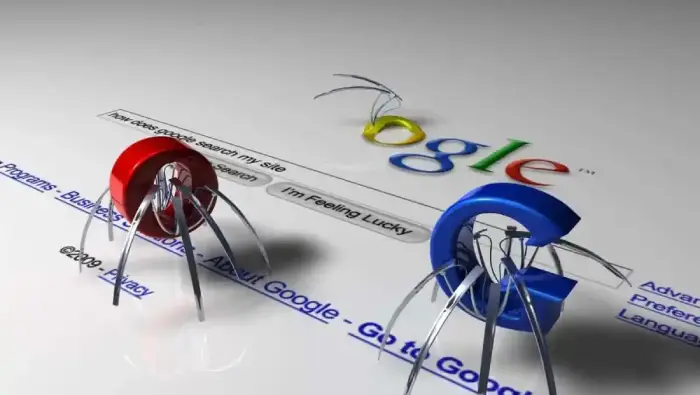
Help search engines discover and index your Programmatic SEO pages.
XML Sitemaps
Create comprehensive sitemaps:
- List all programmatic pages
- Update automatically when adding pages
- Submit to Google Search Console
- Keep under 50,000 URLs per sitemap file
Robots.txt Configuration
Don’t accidentally block your pages:
- Allow crawling of programmatic sections
- Block only truly unnecessary pages
- Test in Google Search Console
Crawl Budget Management
With thousands of pages, crawl budget matters:
- Improve site speed
- Fix broken links immediately
- Remove low quality pages
- Use internal linking wisely
Pagination and Load More
If you have thousands of pages in a category:
- Implement pagination properly
- Use rel=”next” and rel=”prev” tags
- Consider “Load More” with proper implementation
Proper technical setup ensures Google can effectively crawl your Programmatic SEO pages.
Schema Markup for Programmatic Pages
Structured data helps your pages stand out in search results.
Relevant Schema Types
LocalBusiness schema: For location based pages with business info
Product schema: For e-commerce variations showing price, reviews
Article schema: For informational programmatic content
FAQPage schema: If you include FAQs on pages
BreadcrumbList schema: Shows navigation path in search results
Implementing Schema at Scale
Add schema markup to your template so every page automatically includes it with appropriate variables filled in. Test implementation with Google’s Rich Results Test tool.
Monitoring and Measuring Success
Track these metrics to evaluate your Programmatic SEO performance:
Traffic metrics
- Total organic traffic to programmatic pages
- Traffic per page or section
- Traffic trends over time
- Percentage of site traffic from programmatic pages
Ranking metrics
- Number of pages ranking in top 10
- Number of pages ranking in top 100
- Average position across pages
- Featured snippet captures
Engagement metrics
- Average time on page
- Bounce rate
- Pages per session from programmatic pages
- Conversion rate
Technical metrics
- Indexation rate (how many pages Google indexed)
- Crawl errors
- Page speed
- Core Web Vitals scores
Set up dashboards to monitor these automatically. Successful Programmatic SEO requires ongoing optimization based on data.
Common Programmatic SEO Mistakes
Avoid these pitfalls that derail many implementations:
Mistake 1: Prioritizing Quantity Over Quality
Creating 10,000 thin pages hurts more than helps. Better to create 1,000 genuinely useful pages than 10,000 worthless ones.
Mistake 2: Ignoring User Intent
Just because you can create a page doesn’t mean you should. Each page must match what users actually search for and need.
Mistake 3: Setting and Forgetting
Programmatic SEO needs ongoing maintenance. Data becomes outdated, templates need improvement, and pages require updates.
Mistake 4: Neglecting Mobile Experience
With mobile-first indexing, your programmatic pages must work perfectly on phones. Test thoroughly.
Mistake 5: Forgetting About Conversions
Traffic means nothing without conversions. Design templates that guide users toward desired actions.
Mistake 6: Copying Competitors Exactly
Learn from successful Programmatic SEO examples but don’t copy them. Add your unique value.
Real World Programmatic SEO Examples
Learning from successful implementations helps:
Zillow: Millions of property pages, each with unique data about homes, neighborhoods, and market statistics.
TripAdvisor: Programmatic pages for hotels, restaurants, and attractions in thousands of cities worldwide.
Indeed: Job listing pages for different positions, companies, and locations.
Yelp: Business listings with reviews, photos, and details for locations everywhere.
What they do right:
- Genuinely useful unique data
- Excellent user experience
- Regular content updates
- Strong internal linking
- Clear value proposition
Study successful examples to understand what works in Programmatic SEO.
Scaling Your Programmatic SEO Over Time
Start small and grow systematically:
Phase 1: Proof of Concept
- Create 50-100 pages
- Test template and data quality
- Monitor performance
- Gather user feedback
- Refine approach
Phase 2: Initial Scale
- Expand to 500-1,000 pages
- Build more robust systems
- Improve automation
- Establish quality controls
Phase 3: Full Scale
- Generate thousands of pages
- Optimize processes
- Monitor and maintain
- Continue improving
Phase 4: Expansion
- Add new types of programmatic pages
- Target new keywords
- Enter new markets
- Build on success
Gradual scaling lets you learn and adjust before committing fully to Programmatic SEO.
Legal and Ethical Considerations
Stay on the right side of guidelines:
Data usage
- Verify you have rights to use data
- Credit sources when appropriate
- Don’t scrape copyrighted content
- Follow API terms of service
Transparency
- Don’t mislead users
- Be honest about automated content
- Clearly label sponsored or affiliate content
Accessibility
- Make pages accessible to all users
- Follow WCAG guidelines
- Test with screen readers
Privacy
- Follow GDPR, CCPA regulations
- Don’t expose personal data
- Secure user information
Responsible Programmatic SEO builds trust with users and search engines.
Tools and Resources
Helpful tools for implementing Programmatic SEO:
Data management
- Airtable or Google Sheets for organizing data
- Database management systems for larger datasets
Development
- Next.js or Gatsby for static site generation
- WordPress for familiar CMS option
- Custom scripts in Python or JavaScript
SEO tools
- Google Search Console for monitoring
- Screaming Frog for crawling your pages
- Ahrefs or SEMrush for keyword research
Quality checking
- Copyscape for duplicate content
- Grammarly for writing quality
- Google’s Rich Results Test for schema
Future of Programmatic SEO
Programmatic SEO continues evolving with technology:
Trends to watch
- AI-assisted content enhancement (still requires human oversight)
- More sophisticated personalization
- Voice search optimization for programmatic pages
- Video and image content in templates
- Better integration with local data
Staying ahead
- Keep learning from successful examples
- Test new approaches carefully
- Focus always on user value
- Adapt to algorithm updates
- Build relationships, not just pages
The core principle remains: create value at scale through smart automation.
Getting Started Today
Ready to implement Programmatic SEO? Here’s your action plan:
This week
- Identify one page type to automate
- Collect data for 50-100 variations
- Create a simple template
- Generate test pages
This month
- Refine template based on testing
- Expand data collection
- Generate more pages
- Monitor initial performance
This quarter
- Scale to hundreds or thousands of pages
- Build quality controls
- Optimize based on data
- Plan next programmatic opportunities
Programmatic SEO isn’t about overnight success. It’s about building a scalable system that generates traffic and value consistently over time.
Start small, test thoroughly, focus on quality, and scale what works. With the right approach, Programmatic SEO can transform your traffic and business growth.
Conclusion
Programmatic SEO is a powerful and scalable strategy that allows businesses to grow organic traffic efficiently through automation, but its success depends entirely on execution and quality control.
Rather than mass-producing low value pages, the goal should be to combine structured data, smart templates, and genuinely helpful content that satisfies user intent.
Each page must offer unique insights, useful information, and a strong user experience to align with Google’s quality standards. The best approach is to start with a small batch of pages, analyze indexing and ranking performance, refine your template based on real data, and then scale gradually.
When implemented strategically, programmatic SEO becomes a sustainable long-term growth engine that leverages automation without sacrificing value, trust, or search visibility.
FAQs
What is Programmatic SEO and how does it work?
Programmatic SEO creates large numbers of pages automatically using templates and structured data to target scalable keyword variations.
Is Programmatic SEO against Google’s guidelines?
No, as long as each page provides unique, valuable content and avoids thin or duplicate spam pages.
How long does it take to see results from Programmatic SEO?
You may see initial results in 2–3 months, with stronger growth typically appearing after 4–6 months.
Do I need coding skills to implement Programmatic SEO?
Not necessarily, as no code tools and CMS plugins can handle basic setups, though advanced projects benefit from technical skills.
How many pages should I create with Programmatic SEO?
Start with 50–100 high quality pages, validate performance, then scale based on results and data availability.